Cities around the world are under pressure to adapt to growing environmental challenges, including rising temperatures, pollution, and limited resources. Technology, particularly artificial intelligence, is becoming a crucial component of the solution. IBM recently chose 5 nonprofits working in urban sustainability to receive AI support aimed at improving their efforts.
These organizations focus on various urban issues, including green space development, heat management, air quality, water resource management, and climate resilience. IBM's AI-powered tools will help them make smarter decisions, analyze data more efficiently, and scale their solutions to benefit city residents. This partnership brings together technology and social impact in a way that could shape the future of urban living.
5 Urban-Sustainability Nonprofits Chosen by IBM for AI-Driven Support
Fundación Plan21 – Planning Greener Public Spaces In Buenos Aires
Fundación Plan21 focuses on improving public spaces in Buenos Aires by turning neglected or underutilized urban areas into green, community-friendly parks and gardens. Urban green spaces are proven to reduce heat, improve air quality, and provide social and mental health benefits. Plan21 collects data on temperature variations, air pollutants, pedestrian patterns, and current vegetation cover to prioritize locations for intervention. Their work requires analyzing multiple layers of environmental and social data to decide where new parks or green corridors would have the biggest impact.

IBM’s AI will accelerate this analysis by integrating satellite imagery, climate data, and population demographics, helping Plan21 create a data-driven approach to urban greening. This will allow the nonprofit to simulate different planting scenarios, forecast environmental benefits, and advocate for projects with clear evidence of impact. The enhanced capability is expected to expand Plan21’s reach across Buenos Aires, enabling the creation of more accessible, healthier green spaces that serve diverse neighborhoods.
The City of Amsterdam – Mapping and Reducing Heat Stress
Heat stress is an increasing problem in many cities, including Amsterdam, where warmer summers pose risks to health, especially among children, elderly people, and those with pre-existing conditions. The city has gathered data from temperature sensors, tree cover maps, and urban form surveys, but has struggled to translate this data into targeted cooling strategies. With IBM's AI models, Amsterdam's planners will be able to identify micro-areas within neighborhoods that suffer the highest heat exposure.
This granular view will inform where to plant trees, install shade structures, or modify pavement materials to cool specific streets and parks. AI will also help simulate the effects of these changes over time, allowing the city to plan cooling efforts efficiently across different districts. The result will be a more comfortable city environment during heat waves, improved public health outcomes, and a model that other cities facing similar challenges can follow.
Fundación Terram – Improving Air Quality in Santiago, Chile
Air pollution is a persistent issue in Santiago, where wintertime smog often reaches hazardous levels due to geographic and climatic factors. Fundación Terram has been monitoring pollution sources like vehicle emissions, industrial activities, and residential heating. While data collection is extensive, interpreting this information quickly and accurately to support timely policy decisions has been difficult.
IBM’s AI enhancements will enable Terram to process real-time sensor data and historical trends faster, producing clear visualizations and predictive models. This will help city officials and residents understand pollution peaks and sources with greater clarity. By combining AI forecasts with community outreach, Fundación Terram aims to promote more effective pollution control measures, such as traffic restrictions on high-pollution days and incentives for cleaner technologies. These insights can also help shape long-term urban planning, focusing on reducing emissions in vulnerable neighborhoods and improving overall air quality.
Miyakojima City – Managing Water Resources on a Japanese Island
Water scarcity is a growing concern for Miyakojima, a subtropical island where freshwater resources are limited and groundwater is threatened by saltwater intrusion and overuse. The city has collected data on groundwater levels, rainfall, and water consumption from residents and agriculture. However, these data sets exist in separate systems and are difficult to combine for a clear picture of water availability. IBM will help Miyakojima build an AI-driven platform that integrates all relevant data, allowing officials to track water supply in near real-time.
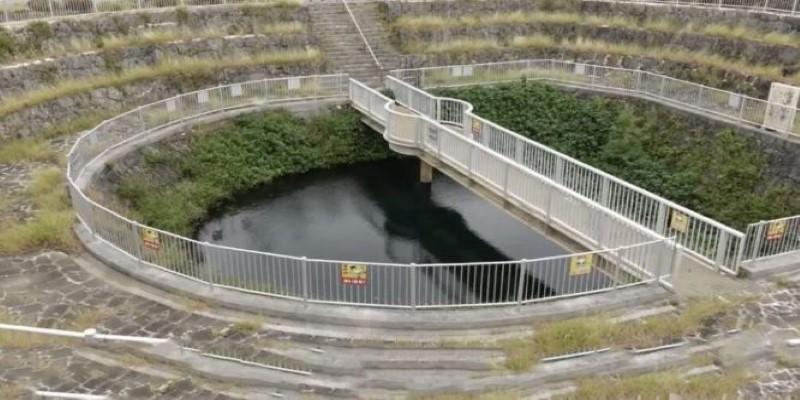
This platform will also incorporate weather forecasts to anticipate droughts and adjust water usage recommendations accordingly. By using AI to balance demand with available supply, Miyakojima can prevent over-extraction and protect its aquifers. This sustainable management approach supports both human needs and the island’s fragile ecosystem, ensuring long-term water security despite environmental pressures.
Resilient Cities Catalyst – Supporting Climate Resilience Projects in US Cities
Resilient Cities Catalyst partners with cities across the United States to prepare urban areas for climate-related risks, including flooding, storms, and extreme heat. Their work involves advising on infrastructure projects and community planning that reduce vulnerability and improve recovery capacity. One key challenge is helping city leaders evaluate which projects offer the best returns in terms of safety and cost-effectiveness.
IBM's AI tools enable the Catalyst team to run complex simulations of climate impacts under various scenarios, measuring the performance of specific interventions, such as green roofs, permeable pavements, or flood barriers, over decades. This evidence helps justify investments and prioritize projects where they will make the most difference. The ability to visualize long-term benefits clearly supports more informed decision-making and helps secure funding. By enhancing data-driven climate resilience planning, the Resilient Cities Catalyst promotes safer and more adaptive urban environments.
Conclusion
IBM's collaboration with these five nonprofits shows how artificial intelligence can be applied to real-world urban sustainability challenges in creative and practical ways. From greener parks and cooler streets to cleaner air and better water management, these projects illustrate how data-driven insights can support healthier, more sustainable cities. By equipping these organizations with tools that make sense of complex information and guide informed action, IBM is helping them expand their reach and achieve measurable results more quickly. As urban populations continue to grow, partnerships like this can make a real difference in shaping cities that are more resilient and more enjoyable for the people who live in them.