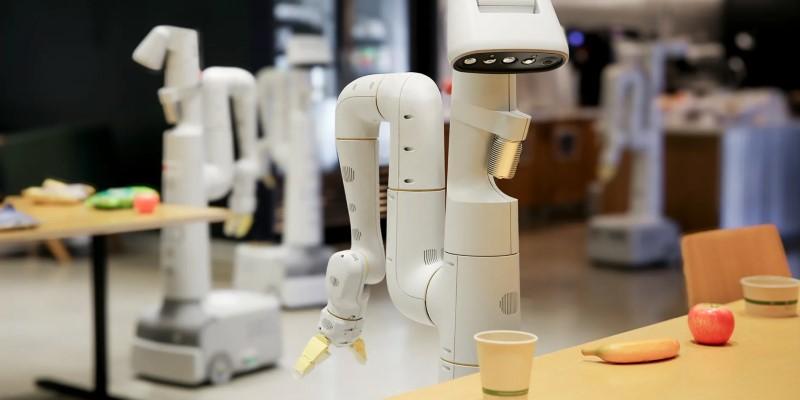
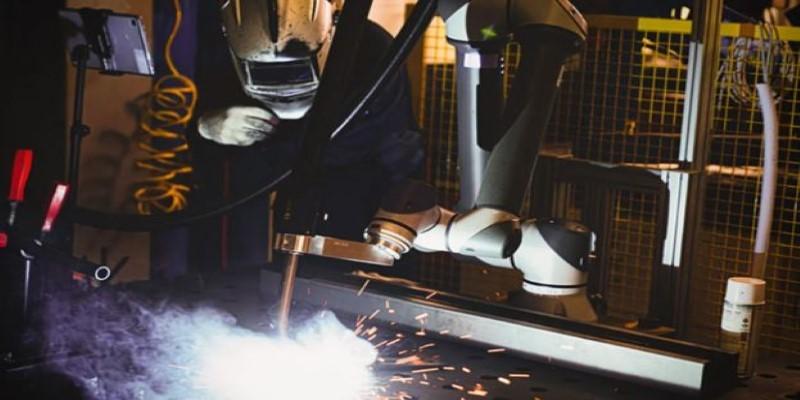
The semiconductor industry has entered a new phase with the launch of robotic collaboration for maintenance in chip production. Factories making microchips face relentless pressure to maintain precision, cleanliness, and uptime. The smallest fault in a fabrication line can cost millions and delay supply to industries that depend on chips, from vehicles to electronics.
Human technicians, though highly skilled, cannot keep up with the demands of modern 24/7 fabs without help. The integration of collaborative robots, often called cobots, brings a smarter and more reliable way to keep production lines running without fatigue, inconsistency, or added risk.
How Robotic Collaboration Works on the Fab Floor?
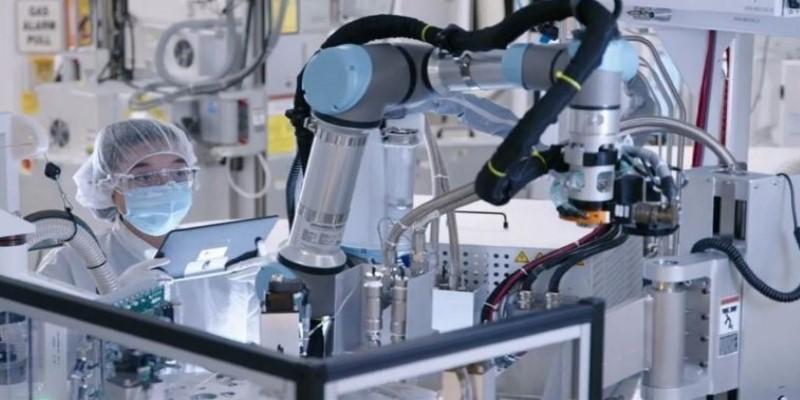
In a semiconductor fabrication plant, or fab, the production floor is a tightly controlled environment. Machines etch and assemble transistors on silicon wafers at scales invisible to the naked eye. These machines require frequent maintenance and close monitoring, often inside cleanrooms where contamination must be avoided at all costs. Robotic collaboration supports human technicians by taking over sensitive and repetitive maintenance work. Instead of replacing humans entirely, these robots operate alongside them, performing tasks that require precision, endurance, or expose people to chemicals and physical strain.
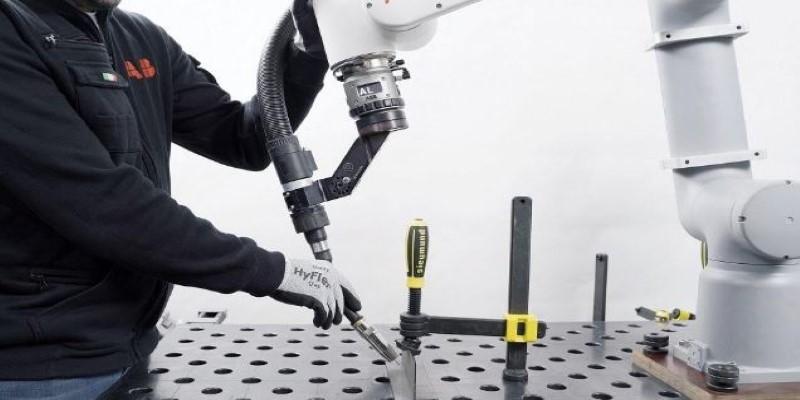
Cobots come equipped with sensors, cameras, and fine-tuned actuators to handle tools and components safely and with consistent accuracy. When maintenance is scheduled, a cobot positions itself, removes parts, cleans or inspects them, and puts them back while sending data to the plant’s central system. Technicians oversee the process and step in when human judgement is required, particularly for troubleshooting or decisions that fall outside programmed routines. This shared workload ensures speed without sacrificing oversight and maintains high standards of safety and quality.
Benefits Beyond Speed and Efficiency
Robotic collaboration delivers more than faster maintenance. One of its most significant benefits is the reduction of downtime. Robots can work through nights, weekends, and holidays, keeping equipment in top condition without requiring extra shifts from human staff. Their advanced sensors can detect minute vibrations, subtle leaks, or minor misalignments before they escalate, enabling preventive maintenance to occur earlier and more effectively. This lowers the risk of sudden breakdowns that disrupt production and waste materials.
Cleanroom operations benefit strongly from cobots. Semiconductor production demands an environment free from dust and microscopic particles, yet every human entering a cleanroom increases contamination risk. By taking on a greater share of maintenance, robots reduce human traffic in sensitive areas and limit the chance of introducing foreign particles. Their design uses low-shedding materials that can be sterilized easily, making them more compatible with cleanroom standards.
Safety for workers is another important gain. Some maintenance tasks expose humans to corrosive chemicals, cramped spaces, or repetitive movements that lead to strain injuries. Cobots handle these operations with ease, sparing workers from physical harm and fatigue. With these risks minimized, technicians can focus on monitoring systems, making decisions, and handling higher-level work rather than routine or dangerous procedures.
How Does It Change the Role of Human Workers?
The introduction of robotic collaboration shifts the role of human workers rather than eliminating it, creating new opportunities and responsibilities. Technicians remain essential to ensure smooth operations, but their responsibilities continue to evolve. They focus more on supervising, programming, and maintaining the robots themselves. Problem-solving, adapting to unusual situations, and addressing unexpected errors remain tasks that require human intelligence and creativity, which robots cannot replicate effectively.
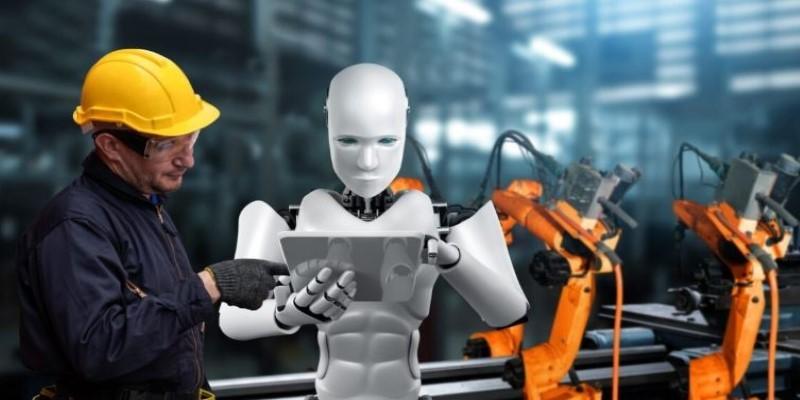
This change often requires retraining staff to work effectively with cobots and to interpret the detailed data that the robots collect and transmit. Many workers find greater job satisfaction in this new setup, as they spend less time on physically exhausting or monotonous tasks and more time applying their skills to meaningful, high-value work. This helps address worker fatigue and burnout, which are common in cleanroom environments that demand long hours, sharp focus, and high concentration.
The shift also attracts a new generation of technicians interested in automation, programming, and high-tech manufacturing. Training programs now include robotics alongside traditional maintenance, preparing workers for an industry that is becoming increasingly automated while still valuing human judgment and adaptability.
The Future of Maintenance in Chip Production
The launch of robotic collaboration is a step toward deeper integration of automation in semiconductor maintenance. In the near future, robots are expected to become more autonomous through machine learning, which allows them to adapt to new patterns and learn from past operations. Some experimental systems even let multiple robots coordinate with each other without direct human input. However, the collaborative model remains favored because it keeps humans involved where flexibility and critical thinking are needed.
Maintenance robots are also becoming part of larger predictive maintenance systems. Data collected from robots, sensors, and machines across the plant is analyzed to determine the best times to perform maintenance. This approach avoids unnecessary work, extends the life of equipment, and reduces material waste, making operations more sustainable and cost-effective.
Early pilot programs already show promising results, with maintenance times shortened significantly and yields improved thanks to better calibration and fewer breakdowns. As robots become more affordable and capable, robotic collaboration is expected to become standard across global fabrication plants, improving productivity while keeping humans at the heart of operations.
Conclusion
Robotic collaboration in chip production maintenance shows how automation and human skill can complement each other effectively. In cleanrooms where precision, consistency, and safety are paramount, cobots have proven to be dependable partners. They help prevent breakdowns, protect workers from harm, reduce contamination, and keep production moving steadily. Human workers remain essential, guiding and supervising the process, solving complex problems, and ensuring that judgment and adaptability remain part of the equation. As demand for semiconductors grows and production lines face even tighter tolerances, robotic collaboration is positioned to play a key role in keeping the world supplied with the chips it depends on.