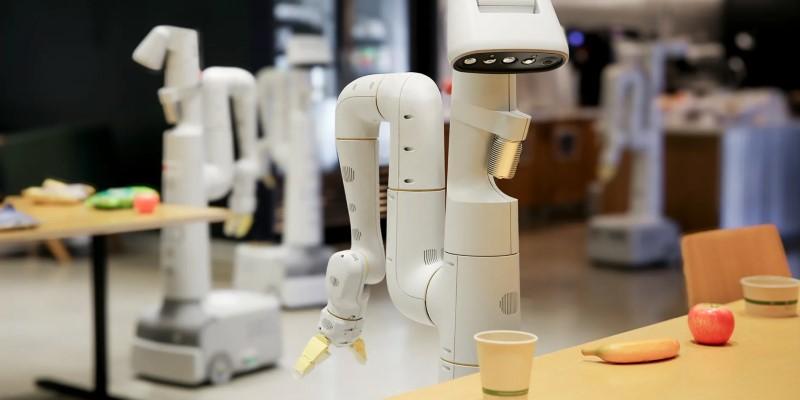
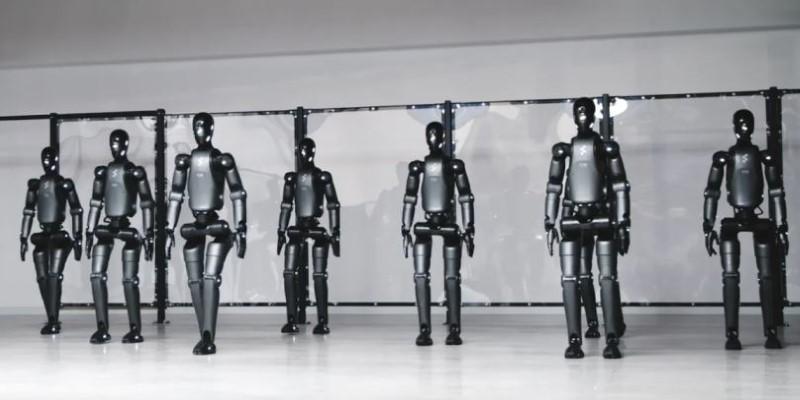
A humanoid robot manufacturer has raised $123 million in a significant new round of funding, marking a turning point for the robotics industry. Known for building machines that move, react, and work much like humans, the company plans to use the funds to expand production and develop smarter, more efficient robots.
Investors are showing growing belief that humanoid robots are ready to take on real roles in workplaces and even homes. What was once experimental technology in research labs is now starting to enter daily life in ways that feel more practical, useful, and closer than ever.
A Big Step Forward for Humanoid Robotics
For decades, the idea of robots that move and behave like people has fascinated both engineers and the public. A machine that can walk, gesture, and interact naturally has long been seen as the ultimate test of what robotics can achieve. This California-based company is turning that idea into something far more tangible, building robots that already handle practical tasks—such as stocking warehouses, assisting in elder care, and even welcoming guests in office lobbies—with surprising ease and precision.
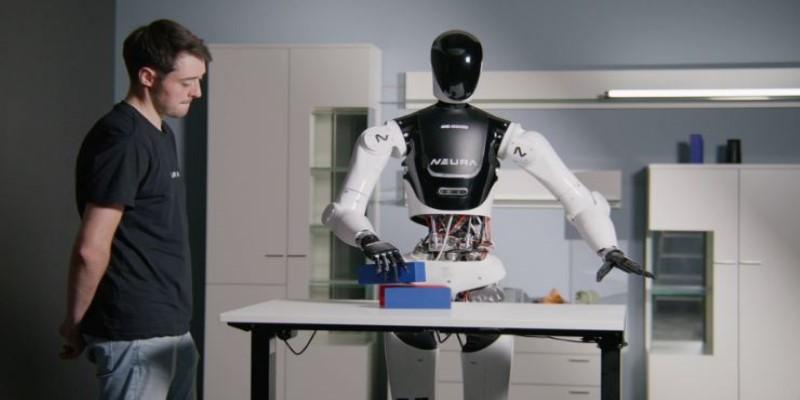
The recent $123 million investment came from a mix of venture capital firms and industry partners who recognize that the market is ready for more than prototypes. This funding will allow the company to ramp up production and design a new generation of humanoid robots that are smarter, more capable, and more affordable than ever.
With industries struggling with labor shortages, rising operational costs, and pressure to work more efficiently, humanoid robots are no longer just a curiosity. They're now viewed as genuine answers to genuine problems in healthcare, logistics, and hospitality. What's further enticing is that they can be integrated into human spaces without significant rebuilding, so their presence feels intuitive rather than disruptive.
Why Humanoid Robots Are Gaining Momentum?
Humanoid robots are catching on because they fit into the world as it is, not as it has to be redesigned. Unlike traditional industrial machines that depend on fixed setups, these robots can walk through doors, climb stairs, and navigate spaces built for people. That makes them a good match for hospitals, warehouses, retail floors, and offices—places where flexibility matters.
This company has made real strides by blending artificial intelligence with designs that can adapt on the fly. Its robots learn as they go, becoming more capable in new environments. They can handle fragile items, follow voice commands, and move through busy spaces without disrupting people around them. In live demos, they’ve been seen carrying boxes in crowded warehouses, delivering equipment in hospitals, and even passing tools to workers with surprising ease.
Affordability remains key to wider use. Advanced robots have been priced out of reach for most. With this new funding, the company is scaling production and cutting costs, opening the door for more businesses—and even individuals—to consider them a practical option.
Challenges Ahead and the Road to Wider Adoption
Even with strong investor support, several hurdles remain before humanoid robots become commonplace. Reliability is one of the biggest challenges. Robots working alongside humans must operate safely and consistently. Mechanical failure or software errors could pose risks in busy environments. The company is investing in better quality control, improved testing, and smarter software that can identify and correct problems in real time.

Acceptance is another obstacle. Not all workers are comfortable around humanoid robots, especially those that move and appear human-like. Concerns about job displacement and discomfort with the presence of machines in close quarters can slow adoption. The company has launched pilot programs that train workers to collaborate with robots and explain how they complement rather than replace human efforts. Feedback from these programs is being used to refine both the machines and the way they are introduced to workplaces.
Regulation and ethics also come into play. Governments are still defining rules for how autonomous machines can operate, particularly in public settings. Privacy, liability, and safety standards need to be addressed. The company has been working with regulators to help shape practical guidelines while maintaining accountability and safety at the core of its designs.
What This Means for the Future of Work?
The $123 million investment shows that humanoid robots are beginning to move out of laboratories and pilot programs into real-world settings. Businesses are looking for ways to fill gaps in labor and improve productivity while keeping employees focused on more skilled tasks. In warehouses, humanoid robots can take on repetitive lifting and carrying. In hospitals, they can transport supplies or help lift patients. In public spaces, they can greet visitors or guide them to the right place.
For human workers, the rise of humanoid robots could reshape jobs rather than eliminate them. Robots are likely to take over physically demanding, routine, or hazardous tasks. At the same time, new jobs in programming, maintenance, and oversight will emerge. The company’s leadership stresses that their machines are designed to work alongside people, supporting them in ways that reduce strain and free up time for higher-level work. This approach of collaboration rather than outright replacement is key to their long-term vision.
A Growing Role in Everyday Life
With $123 million in fresh funding, the humanoid robot maker is preparing to make its machines a familiar presence in daily environments. As companies and households grow more open to technology that can move and interact like humans, robots are moving beyond experimental stages. The company plans to increase production, reduce costs, and refine safety, making humanoid robots more accessible and reliable for a variety of tasks. Whether carrying goods in warehouses, assisting hospital staff, or welcoming visitors, these machines are designed to blend into spaces without disruption. The funding reflects strong confidence that humanoid robots are ready to support people in practical, meaningful ways.