OpenAI has quietly stepped into the robotics conversation by filing a trademark application for what appears to be a humanoid robot. This move suggests the company's increasing interest in applying artificial intelligence beyond software, into the physical world where machines and humans interact more directly. For years, OpenAI has been known for its advanced language models and image generators. A trademark for a humanoid robot signals that the company may now be designing machines that can walk, move, and potentially assist in everyday settings. Many are now asking what this could mean for robotics and AI working together.
What the Trademark Suggests?
The trademark filing was first spotted in the United States Patent and Trademark Office’s public records. The application mentions a humanoid robot under OpenAI’s name, with language suggesting a physical product rather than just software. While the document doesn’t include technical details or images, the categories listed in the filing include robots designed to interact with people, mechanical and AI-based control systems, and devices that mimic human motions.
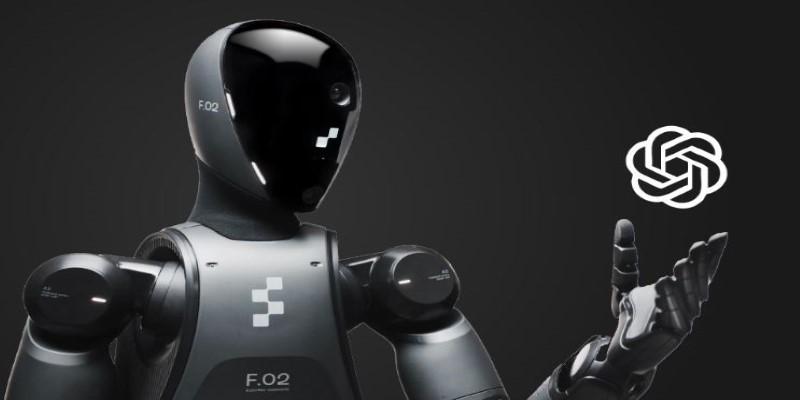
OpenAI has never publicly announced a humanoid project before, which makes this filing particularly intriguing. In the tech industry, it’s not uncommon for companies to file trademarks before unveiling actual products. This can protect the name and concept while development continues behind the scenes. The move doesn’t guarantee a finished robot will appear soon, but it confirms that the company is serious enough to reserve its place in the field of humanoid robotics.
What sets this apart is OpenAI’s focus on advanced language and reasoning capabilities. Existing humanoid robots in the market often rely on pre-programmed responses and limited autonomy. If OpenAI integrates its language models with a humanoid form, the result could be a more intuitive, conversational machine capable of understanding and responding in ways that feel natural to humans. This could redefine how people interact with robots in homes, workplaces, and public spaces.
Why a Humanoid Robot Fits OpenAI’s Vision?
At its core, OpenAI has always been about teaching machines to understand and generate human-like outputs. A humanoid robot is a natural extension of this mission because it combines physical presence with sophisticated AI. Instead of AI being confined to screens and keyboards, it could inhabit a body, moving among people and responding to them face to face.
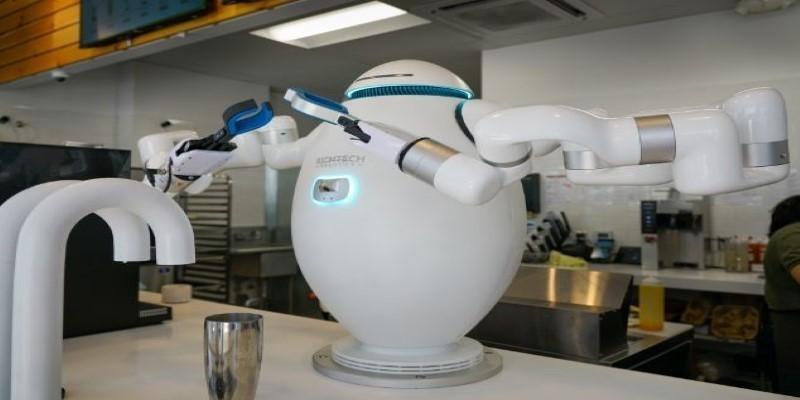
This idea aligns with the growing demand for service robots in healthcare, customer assistance, and personal support roles. A robot that can understand instructions, carry out tasks, and interact politely could help fill labor gaps in industries that rely heavily on human-to-human interaction. For example, in elder care, such robots might assist with daily tasks while providing a friendly presence. In retail, they could greet customers, answer questions, and assist with stocking shelves.
OpenAI's models are already capable of holding detailed conversations, summarizing information, and even solving problems. Giving these models a humanoid form could enhance their usefulness by making them more integrated into the physical world. This blend of intelligence and embodiment could transform our perception of machines, not just as tools, but as partners.
How This May Shape the Robotics Industry?
OpenAI's entry into the humanoid robot space adds competition to a field already attracting major players. Companies like Boston Dynamics, Tesla, and Figure are all working on humanoid designs. Each has approached the challenge differently, but none have fully cracked the code of creating a robot that feels truly integrated into human environments.

OpenAI has an advantage in software intelligence. Its large language models are among the most advanced, and bringing that level of conversational ability into robotics could set a new standard. Today’s humanoid robots often struggle with flexibility in communication, relying on rigid scripts and narrow contexts. OpenAI’s technology might allow robots to handle more open-ended situations and adapt to unexpected human behavior.
There’s also the potential for OpenAI to rethink how humanoids learn and improve. Its AI systems use reinforcement learning and fine-tuning techniques that could help robots learn tasks through observation and feedback instead of hard-coded programming. This kind of learning could make humanoids more useful in real-world settings where conditions and needs change over time.
Even so, challenges remain. Humanoid robots are notoriously challenging to engineer due to concerns about balance, energy efficiency, safety, and cost. Building a robot that not only works but also does so affordably and reliably remains an open problem. OpenAI's strength has been in software, so its success may depend on who it partners with on the hardware side.
What We Might Expect Next?
Now that the trademark filing is public, speculation is likely to grow about what OpenAI will reveal and when. A trademark alone doesn’t mean a launch is imminent. Companies sometimes file years before products are ready. Still, OpenAI’s track record of rapid development suggests that work on the robot is already underway.
One question is whether OpenAI will position the humanoid as a general-purpose assistant or focus on specific roles. A robot designed for homes would need to be friendly, safe, and capable of handling household chores. In a business setting, reliability and a professional demeanor are essential. The trademark wording leaves both options open, describing a robot that interacts with humans in multiple settings.
Another possibility is that OpenAI will showcase a prototype to demonstrate its ideas rather than a fully finished product. Prototypes can serve as proofs of concept, showing investors and the public what’s possible. Over time, refinements could bring a production-ready version to market.
Whatever direction it takes, OpenAI’s move signals its ambition to shape not just digital but physical spaces. By combining advanced AI with a humanlike body, the company is stepping into one of the most challenging and fascinating areas of technology.
Conclusion
OpenAI’s trademark filing for a humanoid robot signals its intent to bring artificial intelligence into daily life through a physical form. By combining its language models with humanlike machines, OpenAI could create robots that assist in homes, workplaces, and public spaces. While an immediate launch seems unlikely, this move shows the company’s vision of AI stepping beyond screens into the real world, sparking anticipation about what’s next.