At CES 2025, Siemens turned heads by showing how artificial intelligence can leave the server room and make itself useful right where things get made — on the shop floor. The company’s showcase wasn’t about abstract theories or dashboards far removed from the noise and pace of manufacturing.
Instead, Siemens demonstrated practical ways industrial AI is being built directly into machines, production lines, and everyday workflows. This shift from promise to practice resonated strongly, highlighting a future where AI doesn’t just analyze after the fact but guides production as it happens.
Moving AI From the Cloud to the Factory Floor
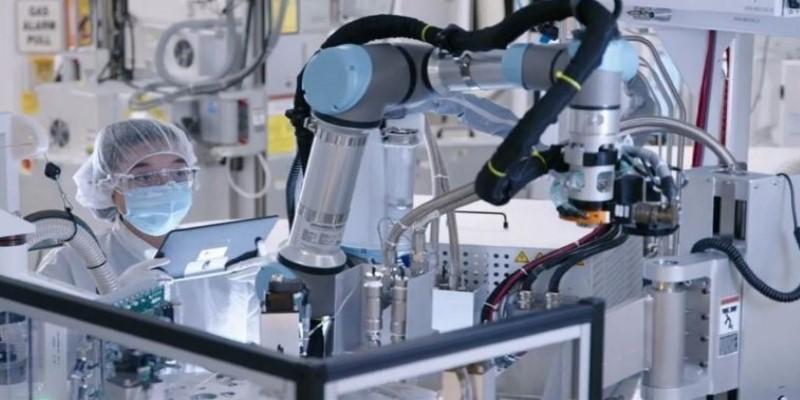
For years, the idea of industrial AI stayed confined to high-level analytics, feeding managers reports or spotting patterns hidden in years of data. Siemens is now moving the conversation forward by embedding intelligence into the very tools that workers use on the floor. At CES 2025, the company presented examples of AI-driven robotics adjusting assembly operations in real time, quality control cameras identifying defects mid-process, and connected devices learning from their performance to improve efficiency.
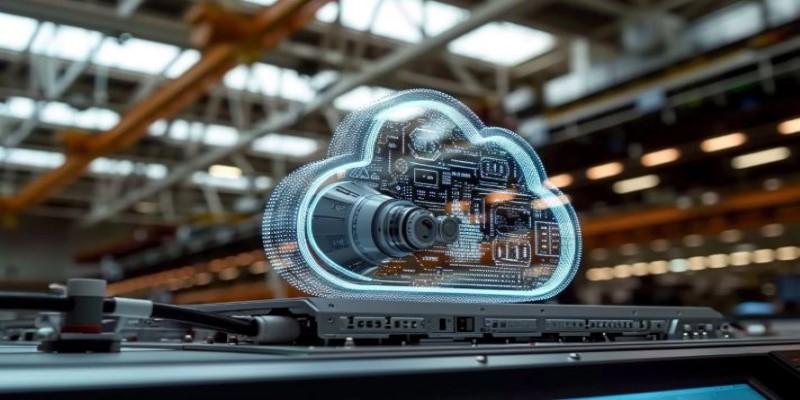
This approach rests on the premise that the biggest gains come not from running massive cloud computations overnight, but from giving machines and workers immediate feedback. On display were examples where AI spotted potential breakdowns before they happened, rerouted operations around bottlenecks, and adapted production schedules based on material availability without waiting for a human decision. It's an acknowledgment that manufacturing thrives on speed and predictability, both of which are improved when AI sits closer to the action.
How Siemens Integrates AI With Legacy and New Systems?
One question visitors kept asking was how these innovations fit into the reality of factories full of aging equipment and diverse systems. Siemens addressed this directly, showing that industrial AI doesn't require tearing everything out and starting from scratch. The company presented several case studies in which its AI software layers onto existing programmable logic controllers, industrial PCs, and sensor networks already in use.
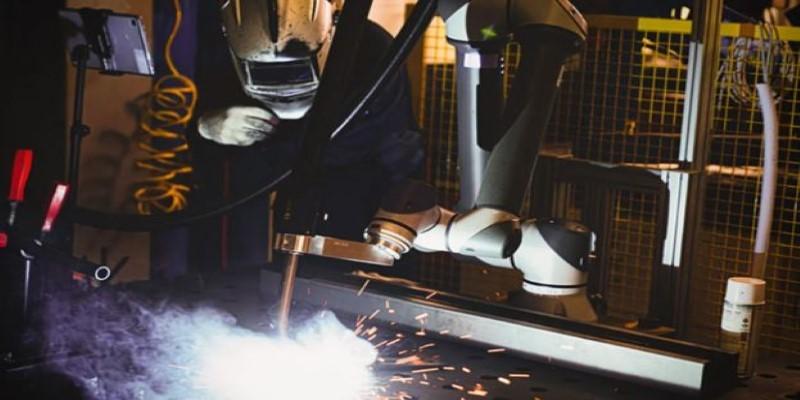
For example, a welding station retrofitted with vision systems and AI-driven controls could detect slight misalignments and automatically adjust the weld path, even though the core welding machinery was decades old. In another scenario, production planners were able to simulate different scheduling strategies using AI forecasts, reducing idle time while keeping the same ERP systems in place. This blend of old and new is crucial for real-world factories, many of which cannot afford full-scale replacement but still want to gain the benefits of automation and intelligence.
Siemens has built much of this flexibility into its open Industrial Edge platform. At CES, they demonstrated how this platform runs AI applications directly at the production site, while still syncing with cloud resources as needed. This hybrid model allows manufacturers to keep sensitive data on site and avoid latency while still benefiting from advanced learning models.
Making AI Understandable and Useful for Workers
Another theme Siemens highlighted at CES was the role of people. Too often, industrial AI is perceived as replacing humans or being too complex for shop floor teams to understand. Siemens is taking a different angle by designing AI tools that are simple to use and transparent in their reasoning, making technology accessible to workers with varying skill levels.
In one example, a machine operator could see on a touchscreen why a robotic arm was slowing down — the AI flagged increased vibration on one axis and suggested preventive maintenance. In another line, managers could interact with scheduling recommendations, accepting or rejecting suggestions while seeing the trade-offs clearly explained in easy-to-understand terms.
By keeping workers informed and letting them make final decisions, Siemens is encouraging trust and adoption. The company also showed how AI can support training, using augmented reality and step-by-step guides informed by real-time data. This integration of AI into human workflows means the technology acts more like a co-worker than a replacement, strengthening the role of skilled employees rather than sidelining them.
What the CES 2025 Showcase Means for the Future?
The CES 2025 presentation from Siemens signaled more than just another product launch. It marked a shift in how artificial intelligence is seen within manufacturing — no longer a distant, abstract concept but something concrete, practical, and close to the machines themselves. By focusing on shop floor applications, Siemens made it clear that industrial AI has matured to the point where it can solve problems in real time and fit into existing operations without upheaval.
Manufacturers looking to remain competitive are likely to pay attention to this direction. Rather than investing in big data projects that take years to show results, they can start small with targeted AI solutions on specific lines or stations and expand gradually. The promise is not just more efficiency, but greater resilience, as production can adapt more quickly to disruptions.
Siemens’ message at CES was simple: intelligence belongs where it can do the most immediate good, right next to the people and machines that keep the factory moving. That vision resonated because it feels grounded and achievable, aligning with the realities of production while still offering a glimpse of what's possible when technology and human skill work together.
Conclusion
Siemens’ CES 2025 appearance made a strong case for bringing artificial intelligence straight to the shop floor. Rather than positioning AI as an afterthought or a distant layer of analysis, the company showed how it can help machines adjust, guide workers, and keep production lines running smoothly in the moment. This approach keeps factories competitive and adaptable without demanding massive overhauls or complex integrations. By putting AI closer to both machines and people, Siemens highlighted a more practical and immediate path forward for industrial automation — one that factories of all sizes can start exploring today with greater confidence and ease.