Hugging Face, long known for its contributions to open-source artificial intelligence, has surprised many by entering the world of humanoid robotics. The company recently began selling humanoid robots after acquiring a lesser-known robotics startup earlier this year. This move signals more than just a product launch — it shows how AI is starting to leave the confines of screens and servers, taking shape in lifelike, interactive machines. Hugging Face’s decision suggests a future where human-AI interaction is more personal, tactile, and social, sparking curiosity and debate about how such robots might fit into daily life in homes, schools, and workplaces.
How Hugging Face Entered the Humanoid Robotics Market?
Hugging Face first made its name as a leader in natural language processing, offering open models and tools that became staples for developers and researchers worldwide. For years, its focus has stayed on building smarter algorithms and making AI accessible. That changed when it quietly acquired Robodyne, a small but experienced robotics firm that had been designing humanoid prototypes for years.
Robodyne specializes in robots capable of mimicking human gestures, postures, and social behaviors — an ideal match for Hugging Face's natural language models. The acquisition gave Hugging Face access to Robodyne’s hardware designs, production expertise, and specialists in human-robot interaction. After the merger, teams worked to integrate conversational AI into Robodyne’s humanoid platforms, creating machines that could respond to speech, read emotional cues, and carry out physical tasks in real-world environments.
The acquisition not only broadened Hugging Face's capabilities but also positioned it to serve new markets. Schools, healthcare providers, and research labs have all expressed interest in robots that combine intelligent conversation with responsive movement, a capability that Hugging Face is now ready to offer.
Features of Hugging Face’s Humanoid Robots
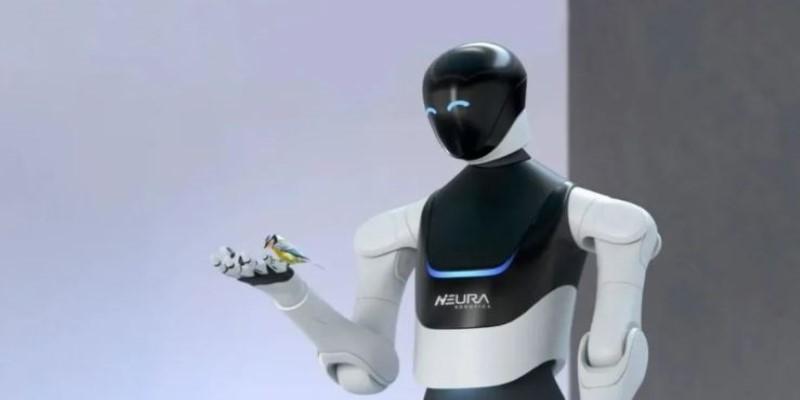
Hugging Face's humanoid robots stand approximately five feet tall, featuring articulated joints, expressive high-definition facial displays, and advanced touch sensors. Their movements are fluid and carefully calibrated to appear more natural than earlier, rigid designs. Unlike many robots that rely on scripted responses, these robots use adaptive AI, responding to spoken words, contextual hints, and even subtle body language.
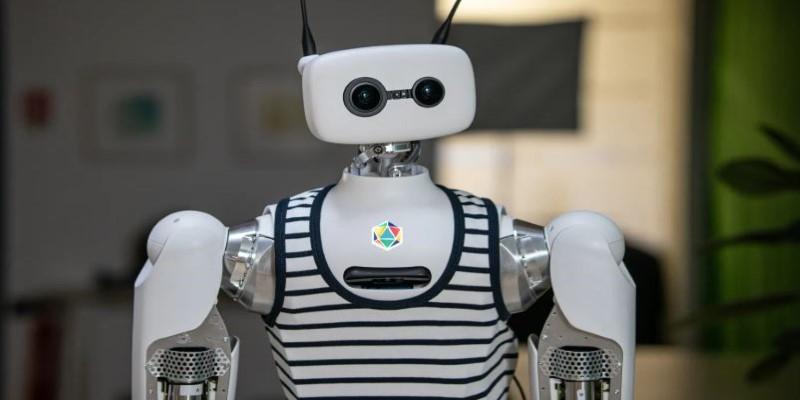
One of their most notable traits is the ability to personalize interactions. Using Hugging Face’s language models, the robots can sustain conversations, remember prior exchanges, and adapt their tone or responses based on a person’s preferences or emotional state. They are also equipped with vision systems that recognize faces, detect gestures, and navigate rooms while avoiding obstacles.
Developers can extend their functionality through Hugging Face’s open platform. New models, custom behaviors, and integrations with smart environments can be uploaded, making the robots highly versatile. This has attracted interest not just from commercial buyers but also educators and researchers looking for customizable human-interactive machines.
The combination of intelligence and open design gives the robots a clear edge over competitors. They’re not limited to preset roles; instead, they can grow and evolve with the needs of their users, whether that’s acting as teaching assistants, companions, or guides in public spaces.
Why This Move Matters for AI and Robotics?
This step highlights a growing trend where artificial intelligence research meets physical engineering in meaningful ways. For years, Hugging Face and other firms kept their work within virtual systems, powering chatbots, recommendation engines, and content generators. Humanoid robots bring those capabilities into the physical world, enabling direct interaction between people and machines.
Selling these robots shows that interest in socially capable machines is expanding beyond experimental labs. Organizations are looking for machines that feel at home in human environments, able to interact naturally rather than mechanically. Hugging Face is meeting that demand by combining conversational expertise with well-designed hardware.
This development may push others in the industry to rethink their strategies. AI software developers may start looking to pair their models with physical platforms. Similarly, robotics firms could explore partnerships to enhance their machines with better conversational skills. Hugging Face has created a clear example of how merging the two can create something more useful and appealing than either alone.
The Road Ahead for Hugging Face and Humanoid Robotics
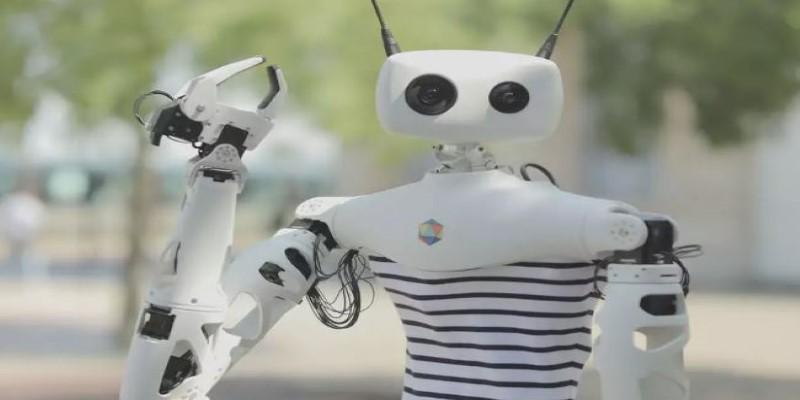
Hugging Face has indicated that the current line of humanoid robots is only the beginning. The first models are already available for pre-order, with initial shipments expected to reach customers by the end of the year. Behind the scenes, teams are already working on next-generation designs featuring more lifelike expressions, improved hand dexterity, and more sensitive emotional understanding.
Challenges remain, especially in scaling up production while keeping costs manageable. Real-world settings can also present unpredictable scenarios that even advanced AI sometimes struggles to handle gracefully. Hugging Face hopes its commitment to open development and community feedback will help refine and improve the robots faster than a closed approach might allow.
The question of how people respond to increasingly lifelike machines still lingers. Some will see them as helpful tools or even companions, while others may find them unsettling. Hugging Face has said it is prioritizing ethical design and transparency, making sure privacy and user control remain central to the experience. Whether these efforts succeed will depend in part on how thoughtfully the robots are introduced and how users choose to incorporate them into their lives.
Conclusion
Hugging Face's decision to acquire humanoid robots from Robodyne marks a significant step in the ongoing evolution of artificial intelligence. By moving beyond software into physical machines, the company is offering a new way for people to interact with AI — one that feels immediate, personal, and engaging. Humanoid robots stand out for their conversational skills, adaptability, and open-ended design, appealing to a wide range of users across various fields, including education and healthcare. Challenges are inevitable, but Hugging Face's open approach and focus on ethical use give it a promising foundation. This moment reflects how AI and robotics are merging into something much closer to everyday life.