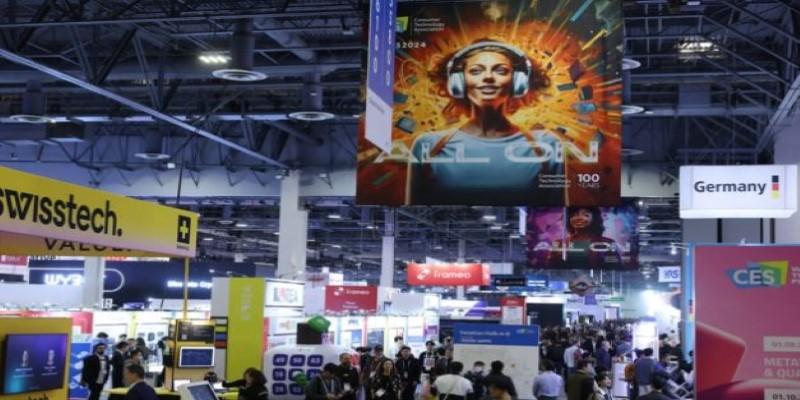
At GTC 2025, something stood out more than the usual advances in chips or cloud platforms. Nvidia, Alphabet, and Google came together—not just as tech giants—but as co-creators of a shared vision. It wasn't just about software running faster or training models more efficiently. This was about machines that can move through the world, perceive it in real time, and make decisions as they go. What they introduced was Agentic, Physical AI. The phrase might sound clinical, but the implications are anything but. It's about building AI that acts with intent in the real world—robots, autonomous agents, and machines that don’t just follow orders but adapt, learn, and solve complex physical tasks on their own.
The room at GTC didn’t buzz with hype—it buzzed with tension. Not the performative kind, but the kind that hits when you realize something’s going to shift the baseline. People weren’t looking at product demos. They were watching AI systems behave like workers, scouts, or co-pilots. And it was no coincidence that Nvidia, Alphabet, and Google were all behind it. This wasn’t just collaboration. It looked like a coordinated move to make AI walk, grip, and act with purpose.
What Is Agentic, Physical AI?
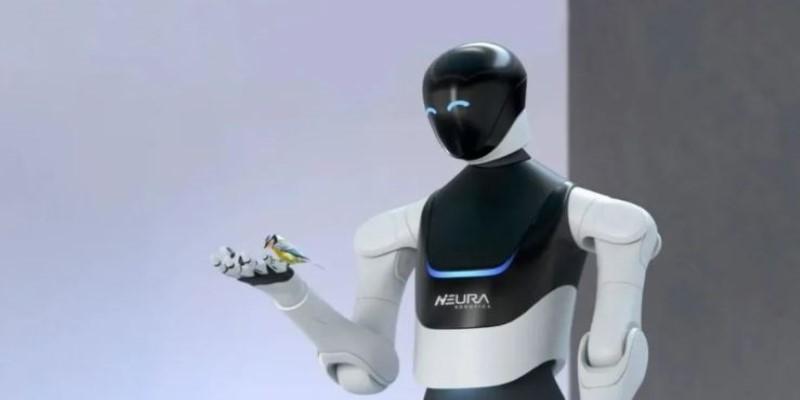
This isn’t about chatbots or vision models alone. Agentic, Physical AI refers to systems that combine large-scale decision-making with real-world interaction. Think of robots that can assemble furniture from a mess of parts, drones that navigate cities without pre-scripted maps, or warehouse bots that talk to each other and coordinate on the fly. The term “agentic” comes from the idea of agency—the ability to make decisions, learn from feedback, and take autonomous action. “Physical” grounds that agency in machines that live outside the screen: robots, vehicles, industrial tools.
What Nvidia, Alphabet, and Google showed at GTC 2025 was a unified stack. Nvidia provided the hardware backbone—new versions of the Jetson platform and enhanced physical simulation tools built into Omniverse. Google came in with new advances in large foundation models, tweaked specifically for edge deployment. Alphabet’s DeepMind and Everyday Robots brought it together with demonstrations of embodied agents trained using reinforcement learning, self-play, and vision-language models.
Together, they created something that doesn’t just react. These machines anticipate. They carry out tasks with a level of abstraction that feels less like automation and more like delegation. You don’t tell them how to do something—you tell them what, and they figure it out.
The Tools Behind the Machines
One of the quiet breakthroughs came from Nvidia’s expansion of the Omniverse platform. The new simulator, called Omniverse Dynamics, lets developers train physical AI agents in environments that mimic real-world physics far more closely than previous systems. Friction, fluid movement, joint articulation—everything gets calculated in real time. It’s not just for game-level realism. It’s so robots trained virtually can perform as expected in the real world. This step is key. AI agents can’t rely on brittle rules anymore. They have to deal with messiness, slippage, clutter, and edge cases.
Google contributed new multimodal models that blend vision, language, and control. These models can take ambiguous commands like “put the fragile stuff on top” or “stack these by size” and translate them into stepwise reasoning for robotic arms or sorting agents. Think of it like translating intent into movement.
Alphabet’s X and DeepMind took it further. DeepMind’s policy-based learning systems, previously limited to simulations, are now being trialed in physical environments with real-time feedback loops. One demo showed a mobile agent moving through a mock disaster zone, avoiding debris, identifying objects, and rerouting in real time—all based on a single high-level instruction: “Locate survivors.”
The fact that the system didn’t fail, didn’t need human intervention, and didn't repeat the same motion twice was the kind of quiet progress that says more than any keynote claim.
What Does This Mean Beyond the Lab?
Agentic, Physical AI might sound experimental now, but the companies involved are already moving beyond demos. Google hinted at new consumer applications for home robotics—devices that learn and adjust to routines rather than needing to be micromanaged. Alphabet's logistics subsidiary is experimenting with agent-based sorting centers, where no two layouts are the same but the system adapts regardless.
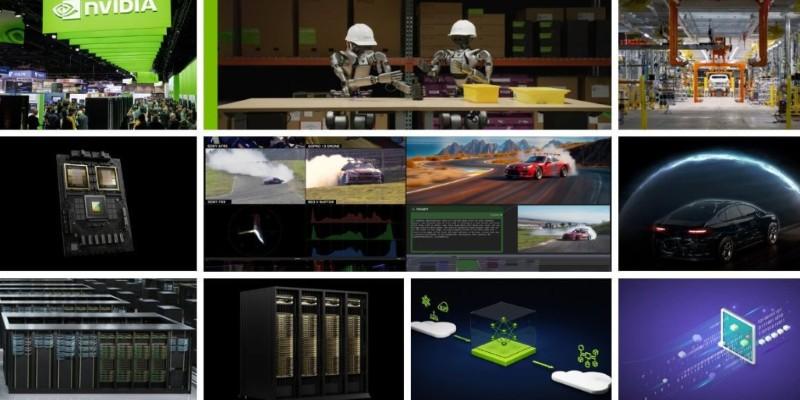
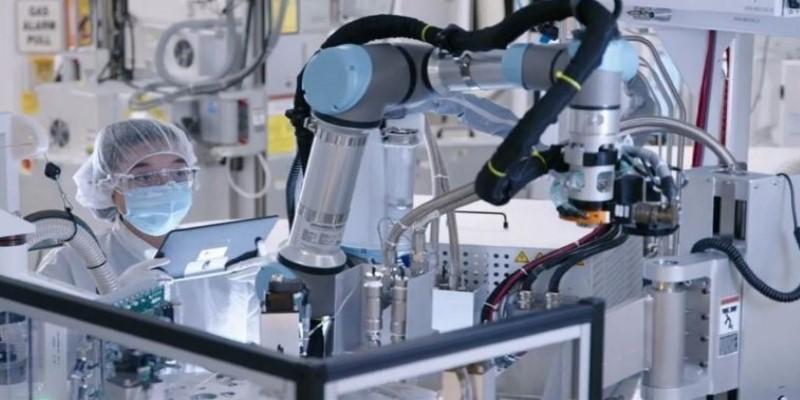
In the industrial sector, Nvidia has partnered with third-party robotics firms using the new Jetson modules and Omniverse training data to deploy warehouse bots that can navigate changing environments, coordinate with other bots, and operate without hard-coded paths.
This has major implications for automation. The old method of scripting every movement or path doesn’t scale. These systems don’t need constant updates or line-by-line instructions. They learn context. That changes how factories, delivery systems, and even urban planning could evolve. You don’t build for the machine. The machine adapts to what’s already there.
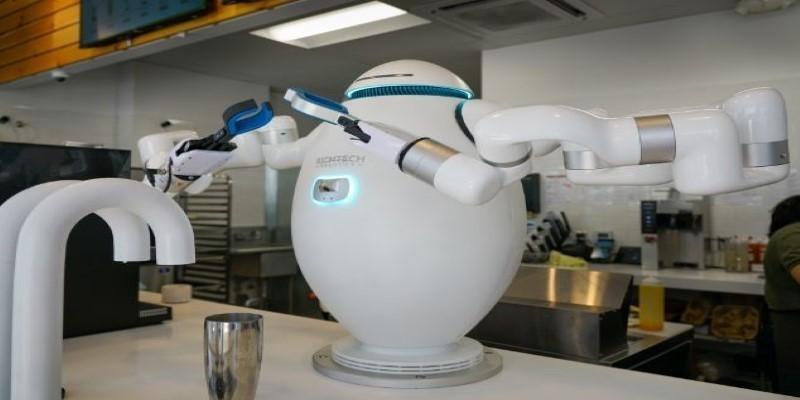
There’s also the question of human-AI collaboration. These systems aren’t built to replace, but to assist. Alphabet showed a prototype assistant for on-site technicians—basically a wheeled tablet with sensors and robotic arms that could act as a second set of hands. It understood gestures, tracked voice commands, and adjusted grip strength based on object fragility. It wasn't perfect, but it worked with people, not instead of them.
Why Nvidia, Alphabet, and Google?
This collaboration didn't happen overnight. Nvidia provides hardware acceleration, simulation tools, and a deployment stack. Google provides the models and training pipelines. Alphabet acts as the testbed, with real-world projects in robotics, logistics, and autonomy. Together, they close the loop—something most companies can’t do alone.
It also signals something broader. We’re entering a phase of AI that doesn’t just think but acts—fluidly, contextually, and with less handholding. That kind of AI demands massive compute, flexible models, and real-world stress testing. No single player has the whole equation. But together, these three might be close.
And GTC 2025 wasn't about promises. It was a preview of what's already working behind closed doors. Not all of it is public. But enough was shown to make it clear: the goal isn't distant anymore. Agentic, Physical AI is not a research paper. It's being built, tested, and gradually released into the spaces where we live and work.
Conclusion
AI is moving beyond hype to real impact. At GTC 2025, the focus was on what these systems can actually change. We won’t see robot coworkers everywhere yet, but industries like logistics, healthcare, and urban services are close. Physical, agentic AI is being shaped to quietly assist, adapt, and learn. With Nvidia, Alphabet, and Google aligned, machines are becoming situationally aware, responsive, and genuinely useful where it matters most.