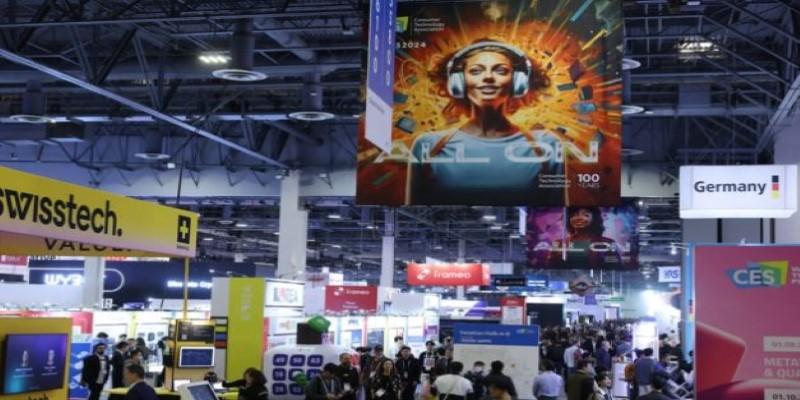
Every January, the world’s largest technology showcase offers a look at where innovation is headed, and CES 2025 is shaping up to be a particularly compelling year. As robotics, artificial intelligence, autonomy, and connected devices evolve, the focus is shifting from what’s possible to what’s practical. Machines are becoming more intuitive, smarter, and better suited to real-world use. This year, developers aim to show products that can integrate seamlessly into daily routines without feeling intrusive or out of reach. CES 2025 looks set to reveal how far these ideas have come and how they’re beginning to reshape daily life.
Smarter, More Capable Robotics
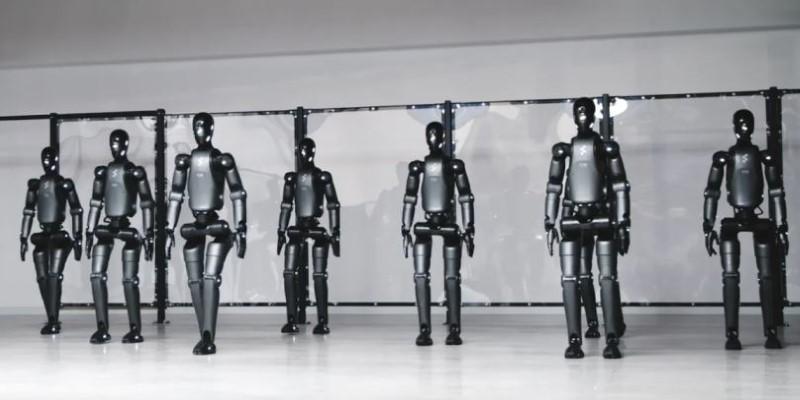
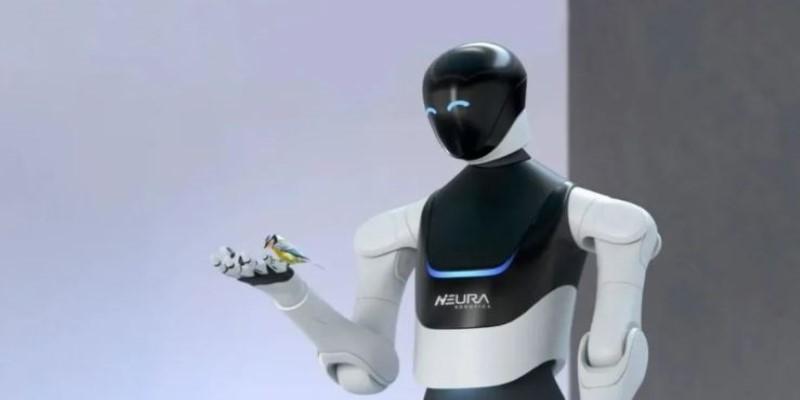
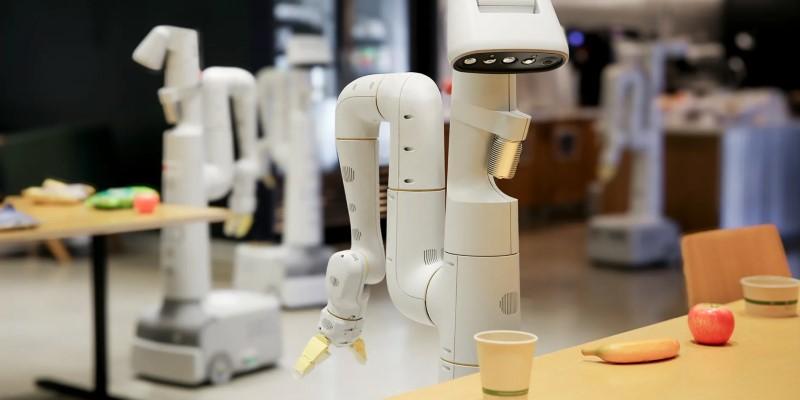
Robotics has always been one of the most exciting parts of CES, and this year will really show how these machines are moving closer to everyday life. Instead of focusing mostly on big industrial robots, developers are now designing machines that fit into homes, hospitals, and small businesses. These newer robots are becoming surprisingly skilled—they can handle delicate objects, move around clutter without bumping into things, and adjust to different environments with ease. Household robots won’t just clean broadly anymore; they’ll tackle specific chores with more care and customization.
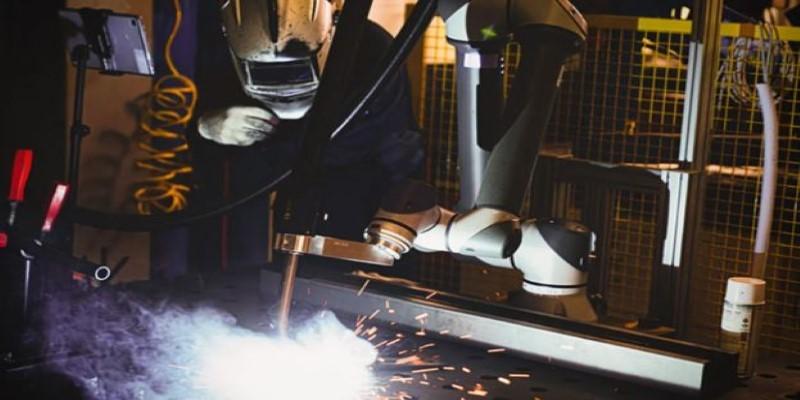
Collaborative robots, often called cobots, are also stepping up. They’re getting safer and more aware of their surroundings, making it easier for people to work side-by-side with them in factories or warehouses. These cobots can sense when to slow down or change their actions to prevent accidents, fitting smoothly into tight workspaces without causing disruptions.
Another interesting area is social robots—machines built to interact naturally with humans. They’re learning to understand tone of voice, facial expressions, and gestures, which helps them feel less like cold machines and more like companions. This shift shows how the demand for friendly, approachable technology is growing, blending robots more comfortably into everyday life.
Artificial Intelligence Driving Real-World Change
Artificial intelligence has been a buzzword for years, but CES 2025 is expected to focus on concrete applications people can actually use. Improved chips and smarter algorithms have made it possible for AI to live inside smaller, more affordable devices, making them feel more helpful and less like novelties. Health technology is one of the most exciting areas this year, with AI enabling diagnostic devices that can spot issues earlier and more accurately. New wearables will be able to analyze sleep, stress, and overall wellness while suggesting meaningful changes rather than just reporting numbers.
In homes, AI assistants are becoming more proactive, able to manage schedules, make recommendations, and even control energy use intelligently. Smart kitchen appliances, TVs, and climate systems are being designed to understand preferences and adjust automatically, reducing the need for constant input. Creative tools powered by AI will also make an appearance, offering intuitive ways for people to produce music, design visuals, or write content with minimal effort.
Cybersecurity tools are improving as well. AI-powered systems now have the ability to learn individual patterns, flagging suspicious activity without overwhelming users with false warnings. These more thoughtful, adaptive defenses are aimed at making connected life feel safer and more manageable.
Autonomous Vehicles and Beyond
Autonomy continues to be a key part of CES, but the conversation has become more grounded. Instead of promising fully autonomous cars for every road and condition, manufacturers are focusing on targeted uses where autonomy already works well. Campuses, warehouses, and delivery services are areas where autonomous shuttles, vans, and even scooters can operate efficiently and safely. These vehicles are being designed to be practical and affordable rather than high-end luxuries.
Expect to see more compact autonomous platforms built specifically for logistics. Delivery robots that can carry packages over short distances, or autonomous tractors that can plow fields without a driver, show how the technology can solve real problems now. New drones are likely to appear as well, equipped with smarter navigation systems that let them fly through complex urban areas and deliver goods quickly.
Safety remains a clear focus in every autonomous system. Developers are paying close attention to how these vehicles recognize and respond to pedestrians, cyclists, and human-driven cars, using better sensors and faster processing to minimize errors. The move toward safer, more predictable autonomy suggests a clear path forward for everyday use.
The Next Wave of Smart Things
Smart homes and connected devices are expected to reach a new level of integration at CES 2025. Instead of requiring separate apps and systems, many companies are adopting shared platforms to ensure that devices work together smoothly. The Matter standard, which promotes compatibility across brands and ecosystems, will feature prominently this year. This change could make it far easier for consumers to build a smart home at their own pace without worrying about which devices will work together.
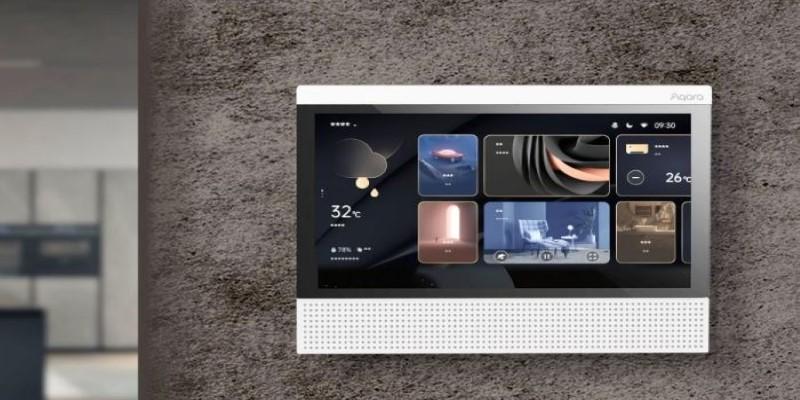
Voice control is still popular, but gesture-based commands and predictive automation are becoming more common. Devices that adjust lighting, climate, and even sound levels based on learned preferences will be shown as examples of how connected living can feel less mechanical. Wearables and portable gadgets are also beginning to interact with city infrastructure, offering services like personalized directions, adaptive street crossings, and on-the-go access to information.
Energy efficiency and sustainability are also central themes here. Many connected devices now aim to reduce power use by learning when they're needed and when they can scale back. These improvements are being positioned not just as convenient, but as part of a larger effort to reduce waste and support smarter living.
Conclusion
CES 2025 will give a clear picture of how robotics, artificial intelligence, autonomy, and smart things are starting to blend into ordinary life. Robots are more human-friendly, AI assistants feel less like software and more like helpers, autonomous vehicles are finding useful niches, and connected devices are learning to cooperate instead of competing. The event offers a chance to see what happens when technology stops feeling experimental and starts working quietly in the background. As thousands gather in Las Vegas, the question won’t be whether these advances are possible anymore, but how soon they’ll become part of daily routines.