Artificial intelligence keeps finding new corners of daily life to influence. Two recent headlines show just how far its reach has grown. Nvidia has acquired an Israeli AI startup for $700 million in a deal that signals where the chipmaker wants to head next. Meanwhile, a Chinese automaker announced plans to deploy a humanoid robot to assemble cars, moving one step closer to fully automated manufacturing. These two developments highlight very different applications of AI — one focused on brains and algorithms, the other on physical labor — and reflect a wider shift in technology and industry thinking.
Nvidia’s $700 Million Investment in Israeli AI Innovation
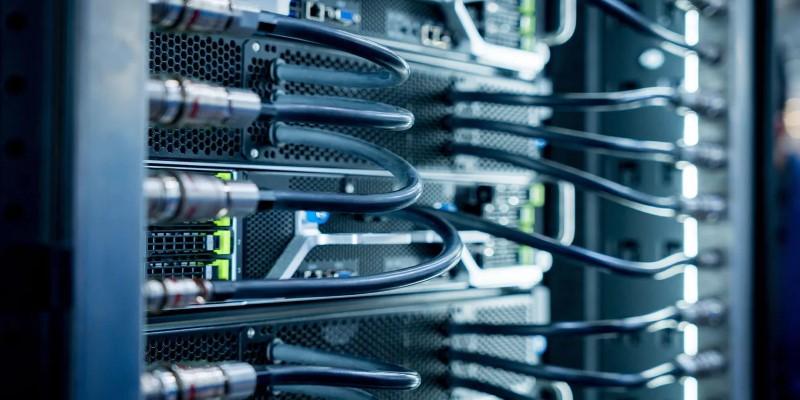
Nvidia’s acquisition of the Israeli AI startup underscores its ongoing push into artificial intelligence beyond graphics processing. The startup, reportedly named Run:ai, specializes in software that optimizes how AI workloads are run on data center hardware. This capability is highly sought after because even the most advanced AI models become bottlenecked if the computing resources behind them aren’t used efficiently.

Run:ai developed orchestration tools that distribute workloads dynamically, cutting down idle time and making sure that expensive GPUs are always busy with useful tasks. For Nvidia, which dominates the GPU market and now earns significant revenue from data center customers, buying such a company strengthens its position as more than just a hardware supplier. It helps Nvidia provide end-to-end solutions — not just selling chips, but also software to manage them at scale.
The acquisition also shows how much value is now placed on software that helps large AI systems run smoothly. Data centers hosting AI workloads often waste significant energy and capacity due to poor allocation of resources. By integrating Run:ai’s technology, Nvidia aims to offer customers better performance without additional hardware. This could attract more cloud providers and enterprise customers who want to control costs as they expand their AI capabilities.
For Israel’s tech scene, the sale is another sign of its growing reputation as a hub for artificial intelligence innovation. Startups there have been focusing on practical AI tools for industries such as healthcare, cybersecurity, and now data center management. The Nvidia deal may inspire more investment and talent to flow into similar companies in the region.
Humanoid Robots Enter the Car Factory
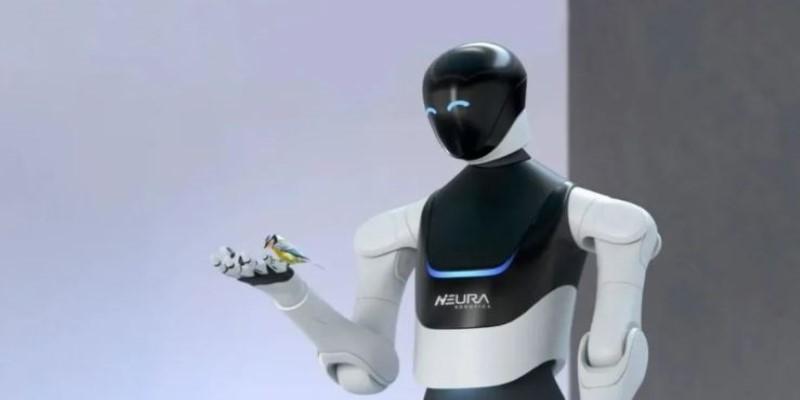
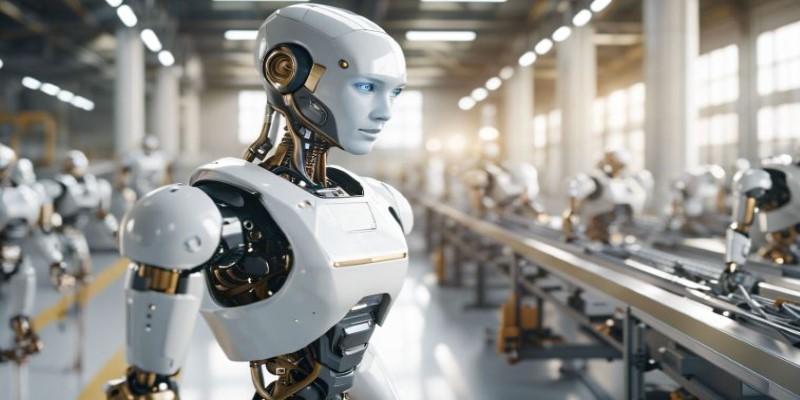
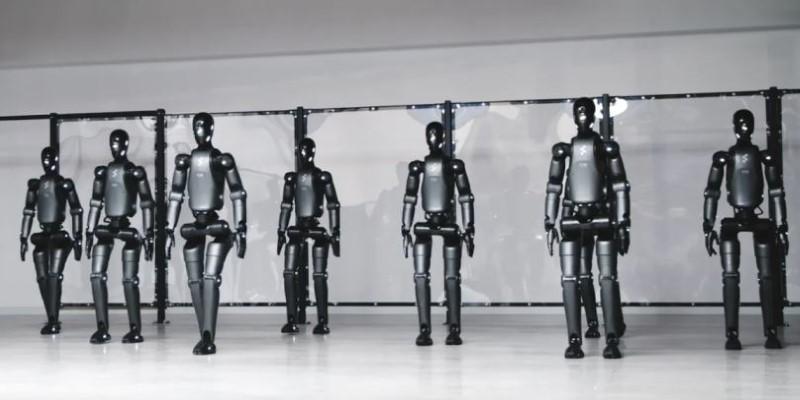
The other headline came from China, where a major automaker announced it will start using humanoid robots on its assembly lines. These robots are being developed by a Chinese robotics company and are designed to carry out tasks traditionally done by human workers. While industrial robots have been a fixture in car manufacturing for decades, humanoid robots bring a different dimension. They are designed to fit into environments built for people, meaning companies don’t have to redesign the factory floor extensively to accommodate them.

The robots have two arms, a torso, and legs, with the ability to walk, bend, and grasp objects much like a person. Their tasks will initially include repetitive actions such as installing seats, tightening bolts, or moving parts from one station to another. Over time, the manufacturer expects to train the robots to handle more complex jobs.
This move reflects the growing maturity of humanoid robot technology, which has long struggled to make the leap from research labs to real-world workplaces. Advances in sensors, artificial intelligence, and mechanical engineering have made these machines more reliable and adaptable. For automakers, this promises greater flexibility than traditional industrial robots, which are usually fixed in place and specialized for just one task.
Labor shortages in some Chinese regions have also made automation more attractive. As younger workers turn away from factory jobs, manufacturers are looking for ways to keep production up without relying solely on human labor. Humanoid robots provide a possible answer, though the investment is still high compared to hiring people. Over time, as the technology becomes more affordable, it could reshape how factories operate.
Broader Implications for AI and Robotics
These two stories point to a broader trend: artificial intelligence is no longer confined to software alone. It is increasingly blending with robotics, logistics, and infrastructure to solve physical-world problems. Nvidia’s acquisition of the Israeli AI startup focuses on making virtual processes more efficient, while the Chinese automaker’s move brings AI-driven machines into physical production lines.
In both cases, the goal is greater efficiency and flexibility. Nvidia is addressing inefficiencies in computing that waste energy and time, while the Chinese automaker is addressing inefficiencies in human labor supply and factory operations. Both reflect how AI can be applied to optimize resources that are already in place, whether they are computer servers or factory floors.
There are also social and economic questions raised by these trends. On one hand, they point to higher productivity and the potential to free humans from repetitive or exhausting work. On the other, they raise concerns about job displacement, changing skill requirements, and who benefits from these technologies. Workers in manufacturing may worry about robots taking over jobs that once provided stable employment. At the same time, skilled workers who can operate, maintain, and program these machines may find new opportunities.
For companies, the stakes are high. Businesses that effectively deploy these technologies stand to gain an edge over their competitors, while those who hesitate risk falling behind. Nvidia's move reinforces its position as a leader in the AI space, while the Chinese automaker's decision could influence how other carmakers think about automation.
Conclusion
The recent moves by Nvidia and a Chinese automaker highlight how artificial intelligence is transforming both digital and physical industries. Nvidia's $700 million acquisition of an Israeli AI startup marks a shift from hardware to software, with a focus on optimizing AI infrastructure. At the same time, Chinese factories are introducing humanoid robots to perform tasks designed for human workers. These developments reflect AI's growing role in improving efficiency and changing workforce dynamics. As AI continues to advance, businesses and employees will need to adjust to new ways of working, where intelligence—whether from machines or people—plays a central role in creating value and driving competition across sectors.