Artificial intelligence is no longer just shaping apps and gadgets — it’s shaping entire industries and economies. This week brought two remarkable stories that show how far its influence reaches. A national cybersecurity startup secured $100 million in fresh funding, propelling its valuation to $1.1 billion as it builds smarter defenses for critical networks.
Meanwhile, Apple revealed a staggering $500 billion plan to invest in artificial intelligence and U.S.-based manufacturing over the next decade. These milestones aren’t just about big numbers. They reflect a deeper commitment to making AI more capable, secure, and locally grounded in ways that impact everyday lives.
Why a Cybersecurity AI Startup Matters So Much?
Cybersecurity is one of the biggest concerns as more systems rely on digital networks. The AI national cybersecurity startup that secured $100 million addresses a specific need — protecting government and critical industry networks with automated, learning-based defenses. This goes beyond blocking phishing emails or scanning for viruses. The company’s platform detects and responds to sophisticated threats that evolve too quickly for traditional systems.
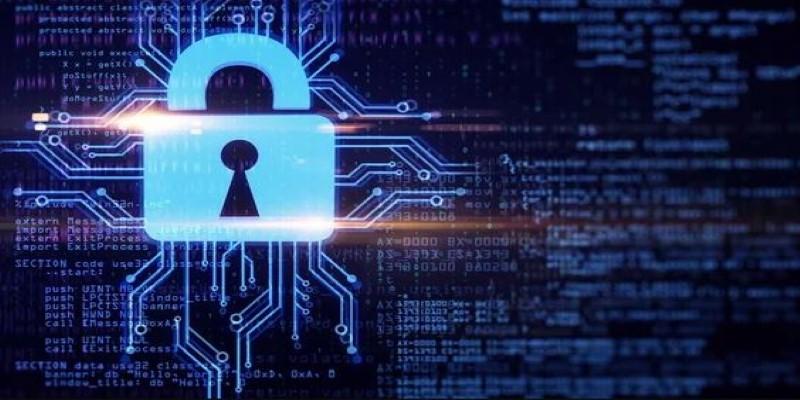
What sets this startup apart is its focus on integrating artificial intelligence into every layer of network defense. Rather than relying solely on static rules written by analysts, its technology learns patterns of normal behavior and detects subtle anomalies. For example, it can identify when someone is trying to access data at an unusual time or route information through suspicious servers, even if that method hasn’t been seen before. The funding will help the company expand its reach into more federal contracts and strengthen its presence in private-sector partnerships. Investors believe that as attacks grow more sophisticated, defenses need to be even smarter and faster to keep pace.
Raising $100 million isn’t just about growing a single company. It’s part of a wider trend of venture capital flowing into AI-powered security tools. This reflects a recognition that manual processes can’t handle the scale and speed of modern cyber threats anymore. With the company now valued at $1.1 billion, it joins the ranks of unicorns that are reshaping how technology protects infrastructure that everyone depends on, from energy grids to transportation networks to healthcare systems.
Apple’s $500B Commitment to AI and Manufacturing
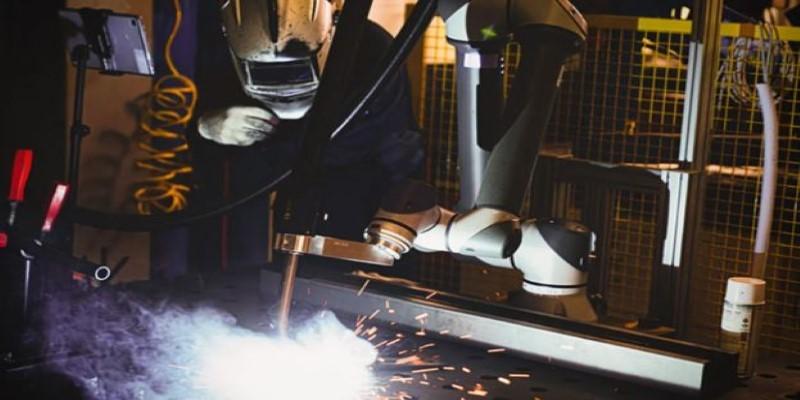
Apple's announcement dwarfs even the startup's impressive milestone. The tech giant plans to invest $500 billion over the next decade in artificial intelligence research, development, and domestic manufacturing in the United States. This is not just about software; it’s about bringing more production of chips and devices back home while weaving more AI features into Apple’s products.
Part of the investment is aimed at building new facilities and upgrading existing ones in states like Arizona, Texas, and Ohio. Apple wants to ensure that it can produce more of its own processors and components rather than relying entirely on overseas suppliers. This aligns with broader national efforts to shore up supply chains and reduce dependency on other countries for critical technology.
At the same time, a large portion of the $500 billion will fuel Apple’s AI ambitions. While the company has been relatively quiet compared to rivals like Google and Microsoft when it comes to public AI initiatives, insiders say Apple is developing advanced models for on-device intelligence, personalized user experiences, and even health-related applications. This could mean iPhones and Macs that understand context better, adapt to user habits more fluidly, and process more data privately without sending it to the cloud.
Apple’s move is notable because it signals confidence that AI can enhance products without compromising user privacy. This is an area where Apple has long differentiated itself. Bringing more manufacturing to the U.S. also supports job growth and appeals to consumers and policymakers concerned about where and how their devices are made.
How These Moves Reflect Broader AI Trends?
Both announcements, though very different in scale and focus, point to a common theme — AI is no longer a novelty; it’s becoming a cornerstone of technology strategy. For the cybersecurity startup, the focus is on defending against threats that no longer fit neatly into predictable patterns. For Apple, it’s about making devices smarter and more intuitive while keeping production closer to home.

One clear trend is the growing awareness that AI needs to be paired with trust. The startup’s approach to securing national infrastructure shows that AI isn’t just about convenience — it can also play a role in protecting society’s most important systems. Apple’s emphasis on privacy-friendly AI and domestic manufacturing taps into similar concerns about control, security, and reliability.
Investors and consumers alike are paying attention. The startup's $1.1 billion valuation indicates a strong belief in AI as a practical tool for high-stakes challenges, such as cybersecurity. Meanwhile, Apple's willingness to commit half a trillion dollars indicates that it sees AI not just as a feature, but as an essential layer in the future of its products and services.
These moves also highlight the importance of balance. AI is powerful, but it has to be deployed responsibly. Both companies are framing their work around real-world problems and consumer expectations rather than just chasing headlines about chatbots or image generators.
What This Means for the Future?
These two announcements could signal a shift toward more grounded, purposeful uses of artificial intelligence. The cybersecurity startup shows how AI can step into roles where human analysts simply can’t keep pace, strengthening defenses for entire industries. Apple’s investment suggests that AI will become more integrated into everyday life, but on terms that respect user privacy and national economic priorities.
It’s a reminder that AI is not just about impressive demonstrations or futuristic concepts. It’s becoming embedded in the infrastructure and devices that people rely on daily. Companies willing to invest heavily in thoughtful applications of AI are likely to shape how the technology grows in the coming years.
Conclusion
As other firms watch these developments, they may follow suit, putting more funding into startups solving specific, high-impact problems and committing resources to making AI more personal and responsible. Both stories show that the next phase of artificial intelligence isn't just about making things smarter. It's about making them safer, closer to home, and more aligned with the needs of the people using them.