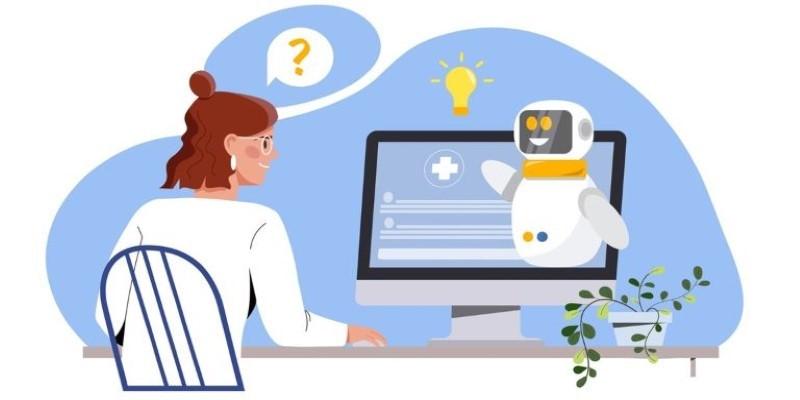
Artificial intelligence is no longer just analyzing data in the background. It's stepping into roles traditionally held by humans, especially in healthcare and manufacturing. Microsoft has launched its first AI assistant, specifically designed for healthcare workers, to ease administrative pressure. At the same time, humanoid robots are being trained to cooperate on real factory tasks without human oversight.
And there's growing interest in controlling machines using nothing but natural language—spoken instructions instead of buttons or code. Each development tells a different story, but they're all pointing in one direction: AI is becoming an active participant, not just a silent helper.
Microsoft’s First AI Assistant for Health Care Workers
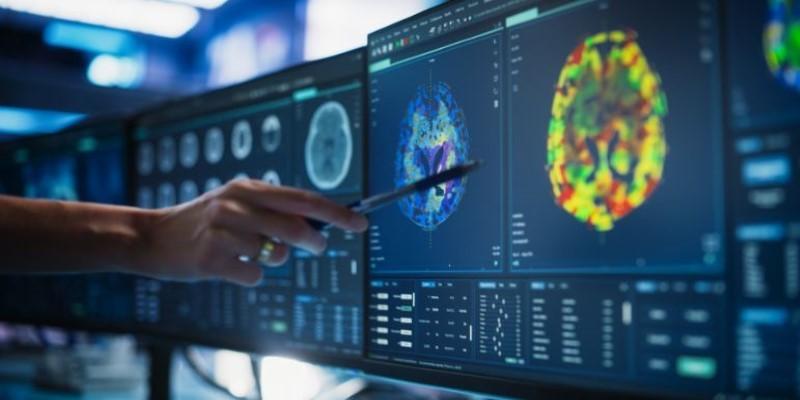
Microsoft’s entry into healthcare AI isn’t just a software update—it adds an entirely new layer of support for clinical staff. The assistant is designed to take over routine but time-consuming tasks that often overwhelm nurses and doctors. Chart updates, appointment summaries, and data entry can now be handled with minimal input, often just from voice or typed notes. By reducing the time spent on documentation, Microsoft aims to help medical professionals spend more time with patients instead of paperwork.

Built into the company’s existing Azure Health Data Services and integrated with Nuance voice technology, the AI assistant listens in during patient visits and can automatically generate clinical notes. That doesn’t mean it’s replacing health care workers—it’s backing them up in the background. Think of it like a scribe that never misses a detail, never gets tired, and doesn’t need to be trained from scratch every few months. It learns from medical terminology and context to avoid common errors seen in generic speech-to-text systems.
The AI assistant for health care workers is also built with security as a top priority. All patient data remains encrypted, and the system complies with HIPAA and regional regulations. Microsoft has worked with hospital systems in the U.S. and U.K. during testing phases, and early reports suggest it reduces documentation time by nearly 30%.
This kind of assistant doesn’t just help with time—it also improves consistency. Doctors can give their observations in natural language, and the assistant structures that input into formats required by electronic health record systems. It's a form of real-time translation between speech and structured data, with the AI acting as the bridge.
Humanoid Robots Learn to Work Together
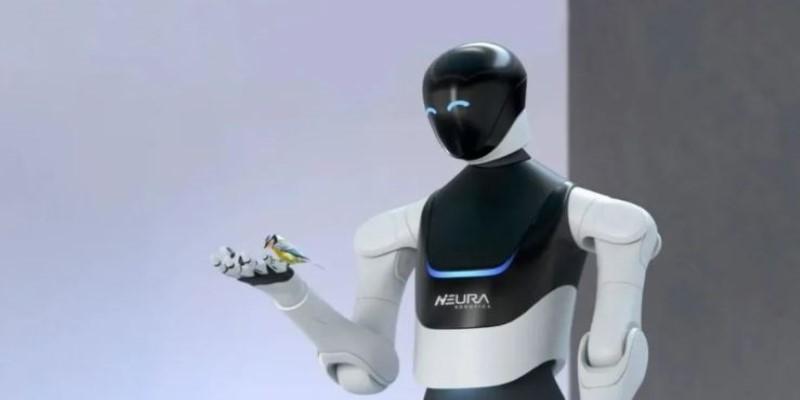
While Microsoft focuses on individual workflows, robotics researchers are tackling a different challenge: cooperation. For the first time, humanoid robots are trained to collaborate on factory tasks without manual programming for each role. That shift—from isolated function to group behavior—could shape the next phase of industrial automation.
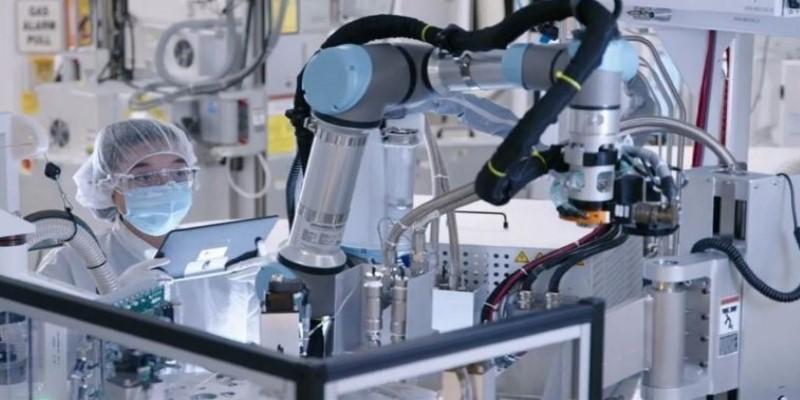
Tested in an automotive factory, several humanoid robots assembled large parts. They use computer vision and sensors to understand their surroundings and adjust based on others' actions, much like human teams handing off tools and correcting mistakes on the fly.
The learning model uses shared objectives. Rather than assigning each robot a fixed action, the AI decides who does what based on conditions. If one malfunctions, others adjust or take over. This cuts downtime and avoids constant reprogramming. Because these humanoid robots mimic human shape and motion, they can handle tools and machines made for people.
An added benefit: robots learning as a group develop better handling skills. When their neural networks train on shared experience—what worked, what didn’t—they improve faster than when trained alone. This could improve coordination-heavy work like emergency response, construction, or care for disabled people.
Humanoid robots still lack the strength and precision of single-task industrial arms, but their flexibility is a clear advantage. They can switch tasks in real time. Combined with machine vision and cooperative planning, they're better suited for dynamic settings, such as factories with changing products or where people work alongside robots.
The Rise of Natural Language Control
The idea of controlling machines through natural language isn’t new. What’s changed is how effective it’s become. Instead of rigid commands, people can now talk to machines as they would to a person. This lets less technical users interact with complex systems across industries.

In warehouse operations, for example, a supervisor might say, “Send a drone to aisle seven and scan the second shelf for damaged items.” That spoken command is parsed by an AI model that understands intent and converts it into instructions for autonomous hardware. It’s faster than opening an app and more accessible for those who don’t use software daily.
Natural language control improves accessibility. Workers with physical impairments can operate machines by voice alone, lowering barriers in environments that once required manual control. In healthcare, voice-controlled systems let nurses adjust beds, lighting, or order supplies while keeping both hands free.
One promising use is in robotics training. Instead of programming each action, engineers can say, "Pick up the red box, place it on the conveyor, then return to standby." That phrase becomes a training example for reinforcement learning. Over time, the robot improves its execution. Combined with computer vision, these systems understand not just what is said, but also the objects and conditions involved.
The more these systems are used, the more accurate they become. Modern natural language models learn from feedback—if a user says “no, that’s not what I meant,” the AI logs the context and adjusts. This refinement helps machines interpret ambiguity more like humans.
Natural language control is also being tested in vehicle navigation, remote medical equipment, and customer support. It simplifies interactions—no manual, no command list, just spoken intent. The downside? It still struggles with noise, multiple speakers, and dialects. But improvements are steady, and new datasets help AI adapt faster.
Conclusion
AI is stepping into the foreground—visible, adaptive, and handling real-world complexity. We’re speaking to machines and watching robots learn on their own. At the core is trust: these systems assist, not replace, giving time back, reducing errors, and handling repetitive tasks. Hospitals focus on patients, factories gain flexibility, and users across roles access powerful tools with just their voice, making technology more accessible than ever.